

As a supplier of anti-static work shoes, I understand the importance of proper storage for these specialized footwear. Anti-static work shoes are designed to prevent the build-up and discharge of static electricity, which is crucial in environments where electrostatic discharge (ESD) can cause damage to sensitive electronic components or pose a safety risk in explosive atmospheres. In this blog, I'll share some practical tips on how to store anti-static work shoes properly to maintain their performance and extend their lifespan.
Understanding the Basics of Anti-Static Work Shoes
Before delving into storage methods, it's essential to understand what makes anti-static work shoes unique. These shoes are typically made with materials that have conductive properties, allowing static electricity to dissipate safely to the ground. The conductive elements can be in the form of special soles, insoles, or fibers woven into the shoe's upper.
When anti-static work shoes are exposed to certain conditions, such as extreme temperatures, humidity, or contaminants, their conductive properties can be compromised. Therefore, proper storage is key to preserving these properties and ensuring the shoes continue to provide reliable protection.
Ideal Storage Conditions
Temperature
Extreme temperatures can have a negative impact on the materials used in anti-static work shoes. High temperatures can cause the soles to become soft and lose their shape, while low temperatures can make the materials brittle and more prone to cracking. The ideal temperature range for storing anti-static work shoes is between 10°C and 30°C (50°F and 86°F).
It's important to avoid storing the shoes in direct sunlight or near heat sources such as radiators, heaters, or hot water pipes. If you live in an area with extreme temperature variations, consider using a climate-controlled storage area, such as a closet with a temperature regulator.
Humidity
Humidity can also affect the performance of anti-static work shoes. Excessive moisture can lead to the growth of mold and mildew, which not only damages the shoes but can also pose a health risk. On the other hand, low humidity can cause the materials to dry out and become stiff.
The ideal relative humidity for storing anti-static work shoes is between 40% and 60%. To maintain the proper humidity level, you can use a dehumidifier or a humidifier, depending on the climate in your area. Additionally, avoid storing the shoes in damp basements or areas prone to flooding.
Ventilation
Proper ventilation is crucial for preventing the build-up of moisture and odors in the storage area. Stuffy, airless environments can promote the growth of bacteria and fungi, which can damage the shoes and cause unpleasant smells.
Make sure the storage area has good air circulation. You can achieve this by leaving some space between the shoes and the walls or by using a fan to circulate the air. Avoid storing the shoes in sealed containers or plastic bags, as this can trap moisture and prevent proper ventilation.
Cleaning and Preparation Before Storage
Before storing your anti-static work shoes, it's important to clean them thoroughly to remove any dirt, dust, or contaminants. This not only helps to maintain the appearance of the shoes but also prevents the build-up of substances that could affect their conductive properties.
Surface Cleaning
Use a soft brush or a damp cloth to gently remove any loose dirt or debris from the surface of the shoes. For stubborn stains, you can use a mild detergent or a specialized shoe cleaner. Make sure to follow the manufacturer's instructions when using any cleaning products to avoid damaging the shoes.
Sole Cleaning
The soles of anti-static work shoes are particularly important, as they are responsible for dissipating static electricity. Use a brush or a cloth to clean the soles, paying special attention to the grooves and crevices. If the soles are very dirty, you can soak them in a solution of warm water and mild detergent for a few minutes before scrubbing.
Drying
After cleaning, allow the shoes to dry completely before storing them. Avoid using a hair dryer or other heat sources to speed up the drying process, as this can damage the materials. Instead, place the shoes in a well-ventilated area and let them air dry naturally.
Storage Methods
Use a Shoe Rack or Shelf
A shoe rack or shelf is a great way to store anti-static work shoes. It keeps the shoes organized and off the floor, which helps to prevent damage and makes it easier to access them when needed. Make sure the shoe rack or shelf is sturdy and can support the weight of the shoes.
When placing the shoes on the rack or shelf, leave some space between them to allow for proper ventilation. You can also use shoe trees to help maintain the shape of the shoes and prevent them from developing creases.
Store in a Shoe Box
If you don't have a shoe rack or shelf, you can store your anti-static work shoes in a shoe box. Make sure the shoe box is clean and dry before placing the shoes inside. You can also line the box with tissue paper or a soft cloth to protect the shoes.
Label the shoe box with the type of shoes and the date of storage to make it easier to find the shoes when needed. If you have multiple pairs of shoes, you can stack the shoe boxes on top of each other, but make sure not to stack them too high to avoid crushing the shoes at the bottom.
Consider a Shoe Cabinet
A shoe cabinet is a more enclosed storage option that can provide additional protection for your anti-static work shoes. It helps to keep the shoes dust-free and protected from light and moisture. Look for a shoe cabinet with adjustable shelves to accommodate different sizes of shoes.
Make sure the shoe cabinet has good ventilation to prevent the build-up of moisture and odors. You can also add a deodorizer or a moisture absorber to the cabinet to keep the shoes fresh and dry.
Regular Inspection and Maintenance
Even when stored properly, anti-static work shoes can still deteriorate over time. It's important to inspect the shoes regularly to check for any signs of damage or wear. Look for cracks, holes, or other signs of deterioration in the soles, uppers, or seams.
If you notice any damage to the shoes, it's important to address it as soon as possible. Minor damage can often be repaired, but if the damage is severe, it may be necessary to replace the shoes. Additionally, make sure to test the conductive properties of the shoes periodically to ensure they are still providing effective anti-static protection.
Conclusion
Proper storage of anti-static work shoes is essential for maintaining their performance and extending their lifespan. By following the tips outlined in this blog, you can ensure that your anti-static work shoes remain in good condition and continue to provide reliable protection.
If you're in the market for high-quality anti-static work shoes, we offer a wide range of options, including Anti Static Protection Boots, Gray Anti Static Work Boots, and Anti Static Protective Shoes. Our shoes are designed to meet the highest standards of safety and performance, and we're committed to providing our customers with the best products and service.
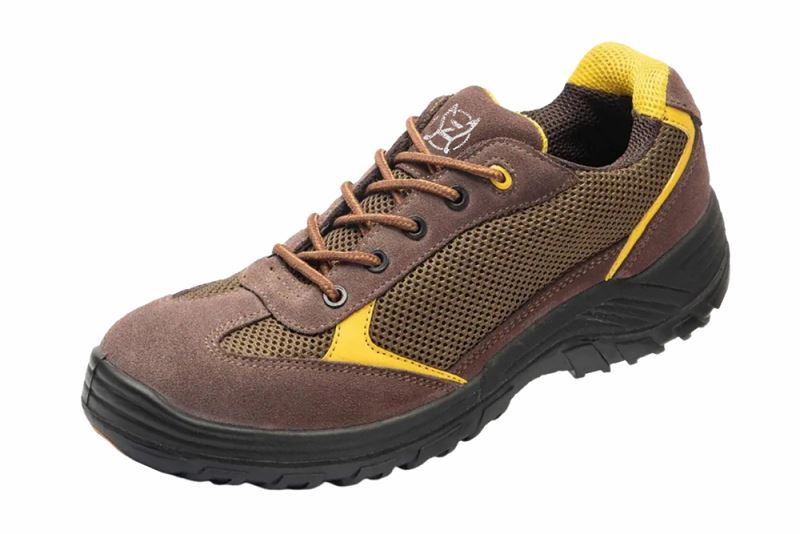

If you have any questions or would like to discuss your specific needs, please feel free to reach out to us. We look forward to the opportunity to work with you and help you find the perfect anti-static work shoes for your requirements.
References
- "Anti-Static Footwear: A Guide to Selection, Use, and Maintenance." Electrostatic Discharge Association.
- "Best Practices for Storing Footwear." International Footwear Association.
- Manufacturer's instructions for anti-static work shoes.