


Heat-Resistant Work Boots
Jiangxi Saizheng Shoes Co., Ltd. is an independent brand company specializing in the design, production, and marketing of safety shoes, work boots, rubber products, professional clothes, work clothes, and protection clothes. SaizProtex is our independent brand.
The company was established in 2014. It has been focusing on rubber sole safety shoes and occupying the rubber sole safety shoes market with excellent quality. The company strives for development based on credibility and survives based on quality. The company is located in the Longnan City National Industrial Park in Ganzhou, Jiangxi Province, a red Soviet area and the hometown of navel oranges in southern Ganxi.
Our Factory
Jiangxi Saizheng Shoes Co., Ltd. is an independent brand company specializing in the design, production, and marketing of safety shoes, work boots, rubber products, professional clothing, workwear, and protective clothing. SaizProtex is our proprietary brand.
Our Products
Our product range includes the production and sale of safety shoes for foot protection, anti-puncture safety shoes, anti-static safety shoes, electrically insulating safety shoes, as well as shoe materials, clothing, gloves, hardware, safety helmets, safety ropes, safety nets, and masks. We also offer fabrics, textiles, safety nets, sewing machine textiles, leather, mesh cloth, thread, ribbon fabric, hardware plastics, and cowhide.
Product Applications
Our products are used in various industries, including welding, petroleum, machinery manufacturing, petrochemicals, mining, agriculture and animal husbandry, glass processing, electric power, logistics, electronics, pharmaceuticals, and food.
Our Services
Warranty Service: We offer a warranty for our products, ensuring that customers have the right to repair or replace the product within the warranty period.
Technical Support: Our technical team provides support to help customers resolve technical issues during product use.
Customer Care: We regularly communicate with customers to understand their needs and feedback, offering personalized services and support.
-
![Heat-Resistant Protective Shoes]() Heat-Resistant Protective ShoesModel: RQ31 mid cutread more
Heat-Resistant Protective ShoesModel: RQ31 mid cutread more
Upper: Suede Leather
Sole: PU Polyurethane Sole -
![Heat-Resistant Protective Boots]() Heat-Resistant Protective BootsModel: RQ36 Mid Cutread more
Heat-Resistant Protective BootsModel: RQ36 Mid Cutread more
Upper: Two-layer cowhide
Sole: PU Polyurethane Sole -
![Heat Resistant Steel Toe Work Boots]() Heat Resistant Steel Toe Work BootsModel: RQ37 Mid Cutread more
Heat Resistant Steel Toe Work BootsModel: RQ37 Mid Cutread more
Upper: Two-layer cowhide
Sole: PU Polyurethane Sole -
![Heat-Resistant Shoes]()
-
![Work Boots Heat Resistant]()
-
![Heat-Resistant Boots]() Heat-Resistant BootsModel: SZ6603read more
Heat-Resistant BootsModel: SZ6603read more
Upper: Embossed Split Cowhide
Toe Cap: Steel Toe Cap
Insole: HY-POLY -
![Heat Resistant Safety Shoes]()


What is Heat-Resistant Work Boots?
Our heat-resistant work boots offer an additional element of protection for your feet. Heat resistant work boots are not meant to be heat proof, but they will resist heat up to a certain temperature. These boots typically include a protective high-temp rubber shoe sole that is able to withstand sparks, some fire exposure, and contact with hot surfaces.
Ideal for working in environments where you are likely to be exposed to high temperatures, our range of Heat Resistant Work Boots help to ensure that your feet are protected against injury. Available in a number of different styles, you can match your boots to your personal sense of style.
Benefits of Heat-Resistant Work Boots
Heat-resistant boots are made from materials that can withstand high temperatures and protect the feet from heat and flames. They are often constructed with flame-resistant leather, heat-resistant rubber, or other specialized materials that offer thermal insulation and prevent burns.
Heat-resistant boots are crucial for workers in industries such as foundries, welding, glass manufacturing, or firefighting, where high temperatures are present. These boots protect against hot surfaces, molten metal splashes, sparks, or open flames, reducing the risk of burns and other heat-related injuries.
Heat-resistant boots are designed to provide thermal insulation, keeping the feet cool and comfortable in hot environments. They can feature heat-resistant linings or insoles that help regulate temperature and prevent heat build-up. This allows workers to focus on their tasks without discomfort or risk of overheating.
Heat-resistant boots are built to withstand extreme temperatures and harsh working conditions. They are made from durable materials that can resist degradation or damage caused by exposure to heat, flames, or other hazardous substances. This ensures the longevity and durability of the boots, reducing the need for frequent replacements.
Heat-resistant boots can also provide protection in other work settings where heat may be a concern, such as construction, manufacturing, or automotive industries. They offer a multi-purpose solution for workers who need heat protection along with other safety features, such as slip resistance or toe protection.
Type of Heat-Resistant Work Boots
Soft Toe Work Boots
Soft toe boots are extremely lightweight and comfortable. If your occupation has a low risk of impact injuries, and no safety toe requirement, these will be the most comfortable. Since there is no safety toe box, soft-toe work boots will have a slimmer silhouette and a lower price tag.
Steel Toe Work Boots
Steel toe work boots offer heavy-duty protection against harsh blows. They are strong and durable but as they are metal, will conduct heat or cold. They are popular as they are economic, as well as effective against crush injuries. The main drawback to a steel toe safety boot is it's not as light as other options. Steel toe caps typically weigh a fifth of a pound, which can really weigh you down on a long day.

Composite Toe Work Boots
Made of non-metal materials like kevlar, carbon fiber, plastic, or fiberglass, Composite toe caps are lighter than steel toe caps and won't conduct heat or cold. Since they are nonmetal, they are airport friendly. However, in order to meet the same impact resistance safety ratings as metal, composite toe boxes have to be thicker.
Alloy Toe Work Boots
Alloy safety toe boxes are made up of a mix of metal, typically aluminum and titanium. They can be up to 50% lighter than steel, but just as strong with a little more room in the toe box. You get what you pay for — they may be slightly more expensive than other safety toe types.
Material of Heat-Resistant Work Boots
Full-grain leather:
Not all leather is created equal. There are many different types of leather, ranging in different levels of quality. When searching for a rugged pair of leather boots, look for the full-grain callout. Full grain leather is considered the highest quality of leather because it contains the entire grain of leather without anything removed. Instead of succumbing to wear-and-tear, it develops a handsome sheen. It's durable, good looking and ages exceptionally well.
Split-grain/suede leather:
Split-grain leather is another great choice to look for. Made from the flesh-facing portion of a cattlehide, it's thinner and softer than full-grain leather. It's not waterproof or as supportive as full-grain leather, but it is lightweight and more breathable. You'll often find it paired with nylon or mesh to reduce the overall weight of a work boot or shoe.
Nubuck leather:
Made from the outside portion of a hide, nubuck leather is similar to full-grain leather, however, is buffed to look like suede. It gives the fuzzy look and feel of suede that many favor aesthetically, without sacrificing much durability. Supportive, water-resistant and abrasion resistant, it's a great choice if you want rugged work boots that have a stylish look and flexible feel.
Genuine leather:
When it comes to leather, you get what you pay for. Genuine leather is less expensive than other leather options. However, it's one of the poorest grades of leather. An item made of genuine leather is simply made of animal leather (as opposed to synthetic leather). It's often produced from leather scraps or leftovers. Shop leather work boots.
What Work Does Heat Resistant Work Boots Suits For?
Heat-resistant work boots are specifically designed to provide protection against high temperatures and heat-related hazards in various work environments. These boots are suitable for occupations and industries where workers are exposed to extreme heat, hot surfaces, or molten materials.
Foundry workers
Heat-resistant boots are essential for individuals working in foundries, where they may encounter molten metal, hot molds, and other high-temperature processes.
Welders
Welding professionals require heat-resistant boots to protect against sparks, molten metal, and heat generated during welding operations.
Firefighters
Firefighters often wear heat-resistant boots to protect their feet from extreme heat, flames, and hot surfaces encountered during firefighting and rescue operations.
Glass manufacturing
Workers involved in glass manufacturing processes, such as glassblowing or glass cutting, require heat-resistant boots to protect against hot glass and equipment.
Furnace operators:
Individuals working in industries with furnaces, such as steel mills or power plants, need heat-resistant boots to safeguard against intense heat and molten materials.
Kitchen and culinary workers
Chefs, cooks, and kitchen staff who work in high-temperature environments, such as commercial kitchens, can benefit from heat-resistant boots to protect against hot spills and surfaces.
Industrial manufacturing
Workers in industrial settings, such as metal fabrication, forging, or machining, may need heat-resistant boots to protect against hot materials, tools, and equipment.
Maintenance and repair workers
Heat-resistant boots are suitable for maintenance personnel who work on heating systems, boilers, or other equipment that generates high temperatures.
Unlacing
When taking them off and putting them on, always undo the boot's laces or fastening system. Taking off a boot that still has its laces fastened is usually achieved by pushing them off at the heel with the other foot, which can easily lead to the sole coming away from the upper. Similarly, when someone tries to put their foot into a boot which has its laces tied, this pushes down and can crack or crush the material in the two areas around the heel, known as the ‘counter’ and the ‘collar.’
Cleaning
Your heat-resistant work boots don’t have to look pristine after each use, as chances are you’ll be walking them through some pretty mucky environments. But removing dirt, mud or contaminates from the surface of your boot is a basic and easy job that’ll really pay off in the long run. If you don’t clean your heat-resistant work boots properly, they could get permanently stained or discoloured, and they simply won’t last as long, particularly as depending on what industry you work in, some contaminants like chemicals and manure can be highly corrosive. Use soapy water to remove the dirt, then gently towel-dry. If you're going to use a brush, use a soft bristled one so you don’t scratch the leather.
Drying
There’s a lot to consider when drying wet work heat-resistant work boots, and getting this process wrong is a sure way to cause quick and long-lasting damage. The most important thing to remember when drying them is to avoid direct heat. Drying your wet heat-resistant work boots by putting them next to a heater, fire or radiator is a BIG MISTAKE. Remember, leather is skin - and even after it’s processed and manufactured into heat-resistant work boots, it still contains pores, retains natural oils and reacts badly to high heat – just like our skin does.
Storage
After you’ve taken your heat-resistant work boots off having untied the laces, your footwear, just like you, needs a cool and well-ventilated place to rest. A well-ventilated area will air-out smelly or sweaty heat-resistant work boots – and it should preferably be an area that doesn’t let in a huge amount of direct sunlight. Keeping your heat-resistant work boots out of the sun will ensure they don’t fade.
Jiangxi Saizheng Shoes Co., Ltd. is an independent brand company specializing in the design, production, and marketing of safety shoes, work boots, rubber products, professional clothes, work clothes, and protection clothes. SaizProtex is our independent brand.

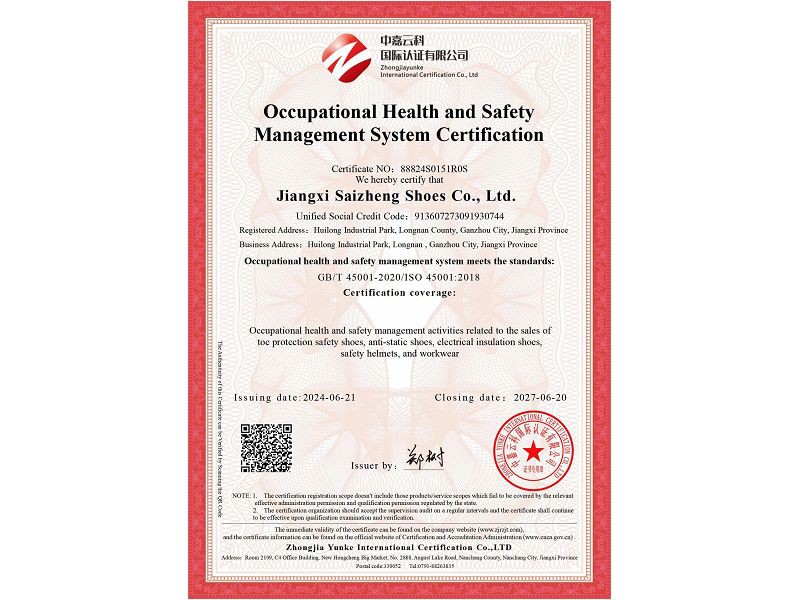
Our Certificate

FAQ
We're professional heat-resistant work boots manufacturers and suppliers in China, specialized in providing high quality products and service. We warmly welcome you to wholesale high-grade heat-resistant work boots made in China here from our factory.
thermal resistant slip resistant boots, heat resistant insulated boots, heat resistant industrial boots