


Warm Work Boots
Jiangxi Saizheng Shoes Co., Ltd. is an independent brand company specializing in the design, production, and marketing of safety shoes, work boots, rubber products, professional clothes, work clothes, and protection clothes. SaizProtex is our independent brand.
The company was established in 2014. It has been focusing on rubber sole safety shoes and occupying the rubber sole safety shoes market with excellent quality. The company strives for development based on credibility and survives based on quality. The company is located in the Longnan City National Industrial Park in Ganzhou, Jiangxi Province, a red Soviet area and the hometown of navel oranges in southern Ganxi.
Our Factory
Jiangxi Saizheng Shoes Co., Ltd. is an independent brand company specializing in the design, production, and marketing of safety shoes, work boots, rubber products, professional clothing, workwear, and protective clothing. SaizProtex is our proprietary brand.
Our Products
Our product range includes the production and sale of safety shoes for foot protection, anti-puncture safety shoes, anti-static safety shoes, electrically insulating safety shoes, as well as shoe materials, clothing, gloves, hardware, safety helmets, safety ropes, safety nets, and masks. We also offer fabrics, textiles, safety nets, sewing machine textiles, leather, mesh cloth, thread, ribbon fabric, hardware plastics, and cowhide.
Product Applications
Our products are used in various industries, including welding, petroleum, machinery manufacturing, petrochemicals, mining, agriculture and animal husbandry, glass processing, electric power, logistics, electronics, pharmaceuticals, and food.
Our Services
Warranty Service: We offer a warranty for our products, ensuring that customers have the right to repair or replace the product within the warranty period.
Technical Support: Our technical team provides support to help customers resolve technical issues during product use.
Customer Care: We regularly communicate with customers to understand their needs and feedback, offering personalized services and support.
-
![Warm Work Boots for Winter]() Warm Work Boots for WinterModel:RQ11read more
Warm Work Boots for WinterModel:RQ11read more
Material: Suede cowhide
Sole: Rubber sole
Technology: Cold stick [optional PU injection molding] -
![Good Warm Work Boots]() Good Warm Work BootsModel: RQ32 Mid-Cutread more
Good Warm Work BootsModel: RQ32 Mid-Cutread more
Sole: MD Composite Rubber Sole
Upper: Suede Leather -
![Comfortable Warm Work Boots]() Comfortable Warm Work BootsModel: RQ33 High Bootsread more
Comfortable Warm Work BootsModel: RQ33 High Bootsread more
Sole: PU Polyurethane Sole
Upper: First layer embossed cowhide -
![Best Warm Work Boots]() Best Warm Work BootsModel: RQ34 High Bootsread more
Best Warm Work BootsModel: RQ34 High Bootsread more
Sole: PU Polyurethane Sole
Upper: Premium first-layer embossed cowhide leather


What is Outdoor Work Boots
Working in construction or outdoor settings demands footwear that prioritizes safety, durability, and comfort. Choose outdoor work boots specifically designed for these environments, featuring steel toe caps to protect against heavy objects and impact. Look for boots with sturdy outsoles that offer traction on uneven terrain, reducing the risk of slips and falls. Waterproof or water-resistant materials are essential to keep feet dry and comfortable, especially when working in wet or muddy conditions. Additionally, choose boots with ample ankle support to prevent strains and injuries while navigating uneven ground or climbing ladders. Breathable linings and moisture-wicking properties help regulate temperature and reduce sweat buildup, enhancing overall comfort during long hours of work.
Benefits of Outdoor outdoor work boots
Durability
Always opt for a long-lasting substance! The most significant disadvantage of low-cost outdoor work boots is their lack of durability. This implies that after a few usages, the stitching may come apart, causing major problems because water will get into your boots, causing blisters or fungus on your feet.
Slip-resistant soles
Select footwear with non-slip soles! When walking through oil or water puddles, these particular rubber soles provide greater traction, reducing your chances of sliding and falling when you need to be steady and mobile at the same time.
Waterproof materials
Look for features like waterproofing! This is an excellent feature since if water seeps into your boot, it might create fungal or blister infections, which may necessitate medical treatment such as antibiotics.
Comfort
Keep your comfort in mind! Nothing is more frustrating than working all day in outdoor work boots that don't fit properly. If they are too tiny or too narrow, they may cause irritation and pain, particularly in the heels and ball of your foot, as well as blisters and fungus, which you want to avoid at all costs.
Type of Outdoor Work Boots
This design almost has a sporty profile, making it more casual compared to a traditional work boot silhouette. It’s usually built with a combination of leather and other materials, resulting in a more lightweight structure than all-leather boots. The flexible construction allows more freedom of movement and promotes increased foot agility in different settings. Work boots with a hiker design,offer superior traction and are often fitted with outsoles featuring multidirectional lugs that strongly grip even challenging terrains. In addition, they’re often waterproof to keep the feet dry when working in wet outdoor conditions.
Logger boots have heavy-duty structures that perform remarkably well in harsh outdoor environments. The boots are meant to be laced tightly, keeping the ankle supported so it won’t easily twist when navigating loose soil and other challenging ground conditions. In addition, the design features a raised heel that strongly bites into the ground, ensuring stability while walking on slippery or unstable terrains. The heel also makes a logger boot ideal for riding as they easily maintain their secure position on stirrups. Meanwhile, the outsole has deep lugs that offer powerful traction to prevent slipping on mud, muck, and other slick surfaces.
Work boots with sneaker designs, such as the Timberland PRO Reaxion Boot, almost look and feel like conventional sports footwear. It’s easy to mistake these boots for basketball or running shoes because of their appearance, although they come with enhanced features that offer superior performance in various work sites. They’re often more lightweight than heavy-duty work boots, mainly because of the addition of lighter materials that offer improved comfort even after long hours of use. The sneaker-like feel is further enhanced by comfort features, including generously cushioned interiors and shock absorption.
The stitching distinguishes moc toe work boots on the toe box, resulting in a U-shape instead of a rounded toe. This stitching elevates the toe box and gives the toes more room to wiggle instead of cramped into a tight space. The extra space created improves comfort and increases the boot’s flexibility, making it suitable for jobs that require a lot of walking and kneeling. Instead of pressing too firmly into the toes, the moc toe design allows the boot to flex along with the foot’s motion for superior mobility and comfort.
Slip-on or pull-on work boots don’t have the usual lace-up system of conventional work boots. These boots can easily be pulled on or off, cutting the time spent on these tasks since there are no laces that need to be managed with every use. They often have a more relaxed fit compared to lace-up boots, allowing the feet to enjoy more mobility while increasing the comfort level by preventing a cramped feeling. Slip-on work boots, are built with solid pieces of leather that don’t have perforations or lace eyelets where water can penetrate, providing improved resistance to liquids. The absence of laces makes these boots suitable for work environments with a risk of laces being caught on machinery or other objects.
Different Types of Outdoor Work Boots Materials


Leather
Leather is the most popular choice for outdoor work bootss because it is very durable. Full grain leather is both durable and water resistant, but its thickness makes it heavy and not very breathable. If cost is not an issue, waterproof leather provides protection against water and boasts the same robustness as full grain leather. Another benefit of leather, is it provides a great fit once it is broken in because the material molds to the shape of your foot. Leather outdoor work bootss are available with or without toe protection.
Nylon
Nylon outdoor work bootss are not as durable as leather, but they are more lightweight and breathable. The material is soft, making the boot more comfortable to wear. Usually these types of outdoor work bootss are outfitted with nylon mesh panels to promote breathability. Nylon outdoor work bootss are available with or without toe protection.
Rubber
Rubber or PVC outdoor work bootss are impervious to water and are easy to clean. However since you cannot adjust the fit, they have the potential to be cumbersome when you are walking. Rubber outdoor work bootss are available with or without toe protection.
Sole Materials
The sole material is just as important as the upper material because it provides support and protection for the bottoms of your feet. Different types of soles provide different capabilities, such as added traction in wet and oily conditions.
Rubber
Rubber is the most common component used in making soles since it is abrasion, oil, and slip resistant. Most boot makers have proprietary rubbers, which gives the outdoor work boots additional performance or safety characteristics.
TPU
TPU are soles made from thermo-polyurethane, which makes the bottom of the outdoor work boots resistant to abrasion, oils, and even chemicals. TPU soles are very durable since they are resistant to splitting. They are also lighter than rubber soles.
EVA
Some outdoor work boots soles feature more complex outsoles with softer midsoles, which help create a more comfortable wear by dispersing weight and providing additional stability. Typical midsoles are made from EVA (ethylene vinyl acetate), which is a foam-like material that is both light and flexible.
Ways to Make Outdoor Work Boots Last Longer
Always Undo the Shoelaces
It’s easy to kick off your shoes with the laces still in place, but this does little to protect your shoes. In fact, putting your foot back into a shoe that has already been laced will bend the heel collar, put stress on the lacing system, and pull on the stitching. This is one habit to break now to protect your shoes long-term.
Wash Shoes Periodically
Never put outdoor work boots in the washer or dryer, as this can destroy the integrity of the stitching, glue and other components that make your footwear so great to begin with. Instead, remove the laces from your shoes and place them in a bowl of warm, soapy water. Swish them around and rinse clean. Then, move on to your sneakers. Use a soft-bristled scrub brush, mild soap and cold water to restore your shoes to their former glory. Dry your shoes as quickly as possible after washing to keep your outdoor work boots in great shape for your next wear.
Alternate Shoes
Outdoor work boots are built for performance, but they can break down quickly if they are not rested. Switch between two or three pairs of shoes for best results. This will give each pair of shoes time to decompress between wears. When you switch between shoes, it’s also easier to tell when one pair has broken down so you can replace it and maintain the same level of comfort with each wear.
Proper Shoe Storage
Keep a shoe rack at home where your sneakers can easily be stored. Never leave outdoor work boots in a bag; lack of air flow contributes to odor-causing fungus and bacteria, which then impact the health of your feet.
Moisture-Wicking Socks
The socks you choose matter. Select moisture-wicking socks that draw wetness from your skin and release it into the air. This keeps both your feet – and your shoes – comfortable, even during long work days.
Replace outdoor work boots Regularly
Watch your outdoor work boots for tears in the seams or areas that are worn down. Your boots protect you on the job, so it is critical to keep them in good condition without any thin areas in the fabric. Keep track of whether your shoes feel different or have worn down recently. This is a good indicator that you should replace your footwear.
Outdoor Work Boots Steps for Maintenance
Clean Your outdoor work boots
Start by wiping your outdoor work boots with a clean, dry cloth to remove dirt. If your outdoor work boots are really dirty, you can use a leather cleaner to clean them thoroughly. Allow your outdoor work boots to dry completely before following the remaining steps.
Apply Waterproofing Spray or Wax
Choose a waterproofing spray or wax specifically designed for leather—not all waterproofing technology is created equal. Spray or apply the wax to the surface of your outdoor work boots, making sure to cover all seams and stitching.
Spread the Waterproofing Treatment
Use a soft-bristled brush or cloth to spread the waterproofing treatment evenly over the surface of the outdoor work boots (especially if using wax). Don’t forget to pay attention to areas more prone to water exposure, such as the toe box and sole.
Allow the outdoor work boots to Dry
Allowing your outdoor work boots to dry may take several hours, depending on the product you used and the humidity in your area. Place your outdoor work boots in a well-ventilated area to help speed up the drying process.
Reapply as Needed
Over time, the waterproofing treatment on your outdoor work boots can wear off. To maintain protection from moisture seeping in, reapply the waterproofing treatment periodically, following the instructions on the product label for the recommended reapplication schedule.
Jiangxi Saizheng Shoes Co., Ltd. is an independent brand company specializing in the design, production, and marketing of safety shoes, work boots, rubber products, professional clothes, work clothes, and protection clothes. SaizProtex is our independent brand.

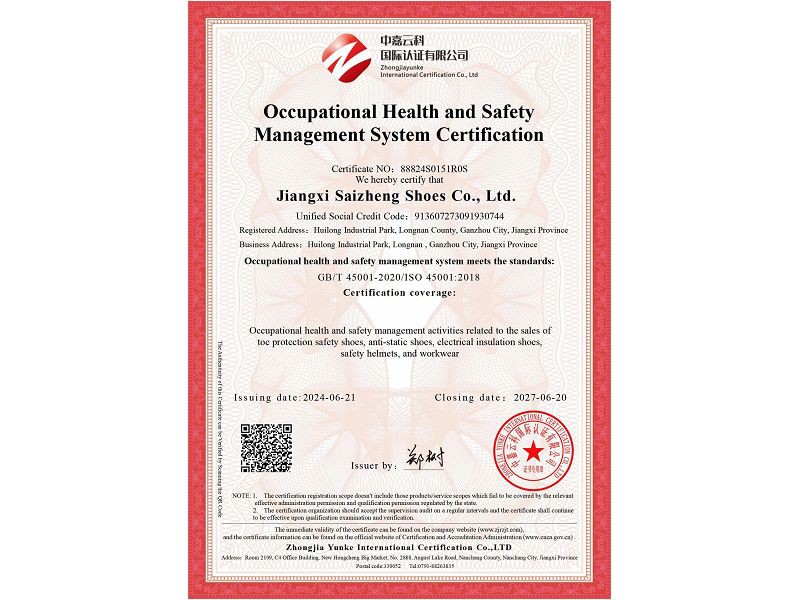
Our Certificate

FAQ
We're professional warm work boots manufacturers and suppliers in China, specialized in providing high quality products and service. We warmly welcome you to wholesale high-grade warm work boots made in China here from our factory.
comfortable warm work boots, best warm work boots, warm work boots