

As a supplier of anti static work shoes, I often get asked by customers how they can tell if their anti static work shoes are still effective. It's a crucial question, especially in industries where static electricity can pose significant risks, such as electronics manufacturing, chemical handling, and explosive environments. In this blog post, I'll share some practical ways to determine the effectiveness of anti static work shoes.
Understanding the Basics of Anti Static Work Shoes
Before we dive into the testing methods, let's briefly understand how anti static work shoes work. Anti static shoes are designed to prevent the build - up of static electricity on the human body. They typically have conductive or static - dissipative soles and uppers that allow static charges to safely flow to the ground, rather than accumulating and potentially causing sparks or damage to sensitive electronic components.
The effectiveness of anti static work shoes is measured by their electrical resistance. The resistance should fall within a specific range to ensure proper static dissipation. Generally, the resistance of anti static shoes should be between 10^6 and 10^9 ohms.
Visual Inspection
The first step in assessing the effectiveness of anti static work shoes is a visual inspection.
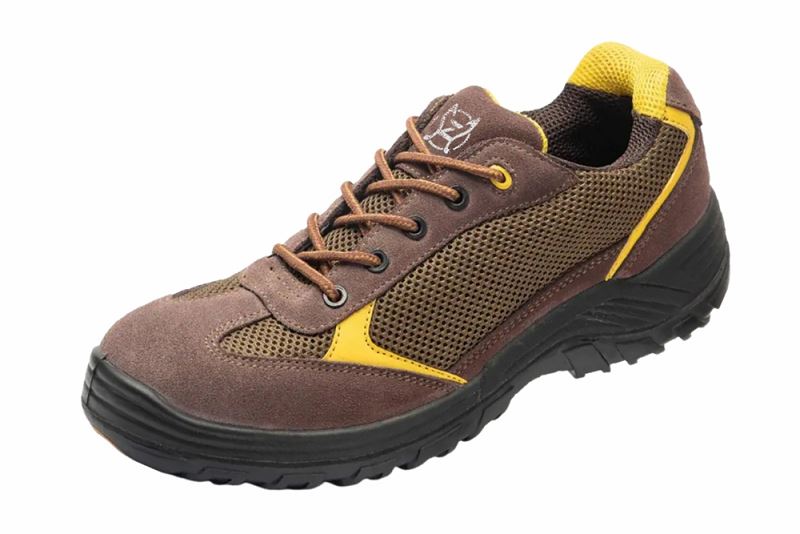
- Sole Condition: Check the soles of the shoes for signs of wear and tear. Cracks, cuts, or excessive abrasion on the soles can compromise the conductive properties. If the sole material has been damaged, it may no longer provide a continuous path for static electricity to flow to the ground. For example, if you notice deep cuts in the sole that expose non - conductive layers, it's a clear indication that the shoe's anti static function may be impaired.
- Uppers: Examine the uppers of the shoes as well. Some anti static shoes have conductive fibers in the upper material. If the upper is torn or frayed, these fibers may be damaged, reducing the overall anti static performance.
Electrical Resistance Testing
The most accurate way to determine if anti static work shoes are still effective is through electrical resistance testing.
- Using a Resistance Tester: You can use a specialized resistance tester, which is available in the market. To perform the test, place the shoes on a conductive test plate. The tester will then measure the electrical resistance between the inside of the shoe (where the foot would be) and the test plate. Make sure to follow the manufacturer's instructions for the tester carefully. If the measured resistance is outside the recommended range of 10^6 - 10^9 ohms, the shoes may not be providing adequate anti static protection.
- Frequency of Testing: It's recommended to test anti static work shoes regularly. The frequency of testing depends on the work environment. In high - risk environments, such as explosive areas, shoes should be tested daily or at least weekly. In less critical environments, monthly or quarterly testing may be sufficient.
Environmental Factors
The effectiveness of anti static work shoes can also be affected by environmental factors.
- Humidity: Low humidity levels can increase the build - up of static electricity. In dry environments, the anti static properties of the shoes may be less effective. If you work in a very dry climate or a climate - controlled environment with low humidity, you may need to take extra precautions. You can use a humidifier in the workplace to maintain a relative humidity of around 40 - 60%, which helps to reduce static electricity.
- Contamination: Contamination on the shoes can also impact their anti static performance. For example, if the shoes are exposed to oil, grease, or dust, these substances can coat the conductive surfaces and increase the electrical resistance. Regular cleaning of the shoes is essential to remove any contaminants. Use a mild detergent and water to clean the shoes, and make sure they are completely dry before using them again.
Compatibility with Work Surfaces
Anti static work shoes need to be compatible with the work surfaces.
- Conductive Floors: If you are working on conductive floors, the shoes should be able to form a proper electrical connection with the floor. Some conductive floors require specific types of anti static shoes. For example, certain floors may need shoes with a particular sole material or conductivity level. Make sure to choose shoes that are recommended for the type of conductive floor in your workplace.
- Insulating Surfaces: Working on insulating surfaces can also be a problem. If the shoes are used on insulating materials, such as plastic or rubber mats, they may not be able to dissipate static electricity effectively. In such cases, you may need to use additional anti static measures, such as wrist straps or conductive flooring overlays.
Manufacturer's Guidelines
Always refer to the manufacturer's guidelines for your anti static work shoes.
- Warranty and Maintenance: The manufacturer may provide information about the warranty period and recommended maintenance procedures. Following these guidelines can help ensure the long - term effectiveness of the shoes. For example, some manufacturers may recommend replacing the shoes after a certain number of uses or after a specific period of time.
- Replacement Indicators: Some anti static work shoes come with built - in replacement indicators. These indicators can be in the form of color - changing patches or other visual cues that let you know when the shoes need to be replaced. Pay attention to these indicators and follow the manufacturer's instructions.
Conclusion
Determining if your anti static work shoes are still effective is essential for maintaining a safe working environment. By performing visual inspections, electrical resistance testing, considering environmental factors, ensuring compatibility with work surfaces, and following the manufacturer's guidelines, you can be confident that your shoes are providing the necessary anti static protection.
If you are in the market for high - quality Anti Static Protective Boots, Anti Static Protection Boots, or Anti Static Protective Shoes, we are here to help. Our products are designed to meet the highest standards of anti static performance and durability. Contact us to discuss your specific requirements and start a procurement negotiation.

References
- "Electrostatic Discharge Handbook", Electrostatic Discharge Association
- Manufacturer's product manuals for anti static work shoes