

As a supplier of anti-static boots, I often receive inquiries from customers about how to determine if their anti-static boots are working effectively. In this blog post, I'll share some insights and methods to help you evaluate the performance of your anti-static boots.

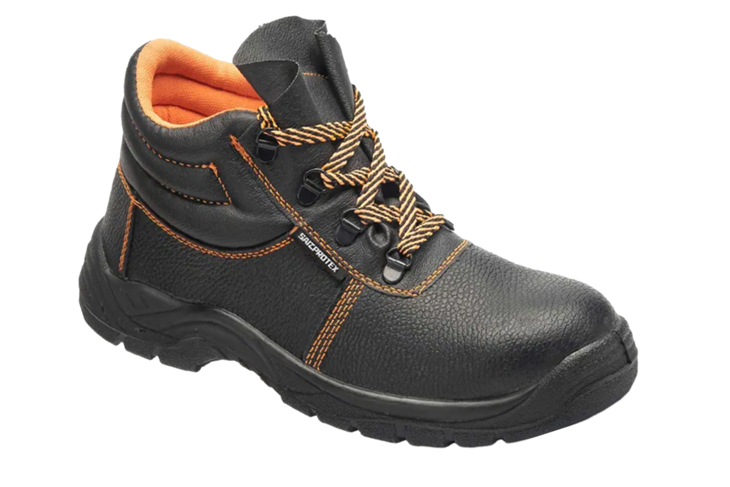
Understanding the Importance of Anti-Static Boots
Before delving into the testing methods, it's crucial to understand why anti-static boots are essential. In many industrial environments, such as electronics manufacturing, petrochemical plants, and cleanrooms, static electricity can pose significant risks. Static charges can damage sensitive electronic components, cause explosions in flammable atmospheres, and lead to product contamination. Anti-static boots are designed to dissipate static electricity from the body to the ground, preventing the build-up of potentially harmful charges.
Factors Affecting the Performance of Anti-Static Boots
Several factors can influence the effectiveness of anti-static boots. These include:
- Material Quality: The quality of the materials used in the boots, especially the conductive components, plays a vital role. High-quality conductive materials ensure better static dissipation.
- Wear and Tear: Over time, the boots may experience wear and tear, which can affect their conductive properties. Scratches, cuts, or excessive abrasion on the sole or upper can disrupt the static dissipation path.
- Contamination: Dirt, dust, oil, or other contaminants on the boots can interfere with the static dissipation process. For example, if the sole is covered with a layer of non-conductive material, it may prevent the proper flow of static charges to the ground.
- Moisture: Moisture can either enhance or degrade the performance of anti-static boots. In some cases, a small amount of moisture can improve conductivity, but excessive moisture can cause corrosion or damage to the conductive elements.
- Temperature and Humidity: Extreme temperatures and humidity levels can also impact the performance of anti-static boots. High temperatures may cause the materials to expand or contract, while low humidity can increase the likelihood of static build-up.
Testing Methods for Anti-Static Boots
Now, let's explore some common methods to test if your anti-static boots are working:
Visual Inspection
A simple visual inspection can provide valuable clues about the condition of your anti-static boots. Look for any signs of damage, such as cracks, holes, or peeling on the sole or upper. Check the seams and stitching to ensure they are intact. If you notice any visible damage, it's likely that the boots' conductive properties have been compromised, and they may need to be replaced.
Resistance Measurement
Measuring the electrical resistance of the boots is one of the most reliable ways to determine their effectiveness. You can use a digital multimeter or a specialized anti-static footwear tester for this purpose. Here's how to perform a resistance measurement:
- Prepare the Equipment: Make sure the multimeter or tester is calibrated and set to the appropriate resistance range. For anti-static boots, the resistance should typically be measured in the range of 1 x 10^6 to 1 x 10^9 ohms.
- Ground the Tester: Connect the tester to a proper ground source, such as a grounded electrical outlet or a grounding rod.
- Place the Boots on the Tester: Position the boots on the tester's electrodes, ensuring good contact between the sole and the electrodes. Make sure the boots are clean and dry before testing.
- Take the Measurement: Read the resistance value displayed on the tester. If the resistance is within the acceptable range, it indicates that the boots are working properly. However, if the resistance is too high or too low, it may suggest a problem with the boots' conductive properties.
Walking Test
Another simple way to test the anti-static performance of your boots is to perform a walking test. Walk around on a conductive floor surface, such as a static-dissipative mat or a grounded metal plate, for a few minutes. Pay attention to any signs of static discharge, such as sparks or shocks. If you experience any static discharge, it may indicate that the boots are not effectively dissipating static electricity.
Workplace Monitoring
In some industrial settings, continuous monitoring of the anti-static environment is essential. You can use static monitoring equipment, such as static meters or ionizers, to measure the static levels in the workplace. If the static levels are consistently high despite wearing anti-static boots, it may suggest that the boots are not working properly or that there are other sources of static generation in the environment.
Maintaining the Performance of Anti-Static Boots
To ensure the long-term effectiveness of your anti-static boots, it's important to follow proper maintenance procedures. Here are some tips:
- Clean Regularly: Clean the boots regularly to remove dirt, dust, and contaminants. Use a mild detergent and water, and avoid using abrasive cleaners or solvents that may damage the conductive materials.
- Store Properly: Store the boots in a clean, dry place away from direct sunlight and extreme temperatures. Avoid stacking the boots on top of each other, as this can cause pressure points and damage the conductive properties.
- Inspect Regularly: Conduct regular visual inspections of the boots to check for any signs of wear and tear. Replace the boots if you notice any significant damage or if the resistance measurement indicates a problem.
- Follow Manufacturer's Instructions: Always follow the manufacturer's instructions for use, care, and maintenance of the boots. Different types of anti-static boots may have specific requirements, so it's important to read the product manual carefully.
Conclusion
In conclusion, ensuring the proper functioning of your anti-static boots is crucial for maintaining a safe and static-free working environment. By understanding the factors that affect their performance, using appropriate testing methods, and following proper maintenance procedures, you can ensure that your boots are effectively dissipating static electricity.
If you're in the market for high-quality anti-static boots, we invite you to explore our range of Anti Static Protection Shoes, Anti-Static Shoes, and Anti Static Protective Shoes. Our products are designed to meet the highest standards of quality and performance, providing reliable static protection for various industrial applications.
If you have any questions or would like to discuss your specific requirements, please don't hesitate to contact us for a procurement discussion. We're here to help you find the right anti-static boots for your needs.
References
- Electrostatic Discharge Association (ESDA). ANSI/ESD S20.20-2021. Protection of Electrostatic Discharge Sensitive Items - Standard for an Electrostatic Discharge Control Program.
- International Electrotechnical Commission (IEC). IEC 61340-5-1:2016. Electrostatics - Part 5-1: Protection of electronic devices from electrostatic phenomena - General requirements.
- Occupational Safety and Health Administration (OSHA). 29 CFR 1910.169. Static electricity - general requirements.