

How do anti - static shoes reduce the risk of electrostatic shock in sensitive areas?
In many industrial and high - tech environments, the risk of electrostatic shock poses a significant threat. Sensitive areas such as electronics manufacturing facilities, explosive material storage areas, and clean rooms require strict control of electrostatic discharge (ESD). As a reliable anti - static shoes supplier, I am well - versed in how these specialized shoes play a crucial role in minimizing the risk of electrostatic shock.
Understanding Electrostatic Discharge
Electrostatic discharge occurs when two objects with different electrical potentials come into contact or are in close proximity, allowing the sudden flow of electric charge. In daily life, we may experience a small electrostatic shock when touching a metal doorknob after walking on a carpet. However, in sensitive areas, the consequences of ESD can be far more severe.

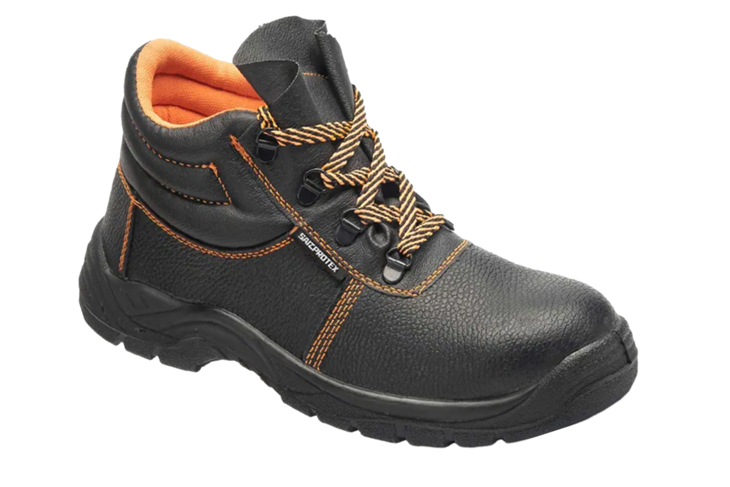
In electronics manufacturing, for example, ESD can damage sensitive electronic components. A single electrostatic discharge can cause immediate failure of integrated circuits, microchips, and other electronic parts, leading to high production losses. In explosive environments, electrostatic sparks can ignite flammable gases, vapors, or dust, resulting in dangerous explosions and fires.
How Anti - Static Shoes Work
Anti - static shoes are designed to dissipate static electricity safely from the body to the ground. They achieve this through several key mechanisms:
Conductive Materials
The primary component of anti - static shoes is the use of conductive or static - dissipative materials. These materials have a low electrical resistance, allowing the flow of electric charge. For the soles of anti - static shoes, special rubber or polymer compounds are often used. These materials are formulated to have a specific level of conductivity that can effectively conduct static electricity away from the wearer's body.
For instance, carbon - filled rubber is a commonly used material in anti - static shoe soles. Carbon particles are evenly distributed throughout the rubber matrix, creating conductive paths. When a person wearing anti - static shoes walks, the static charge generated on the body is transferred to the soles and then to the ground through these conductive paths.
Grounding
Anti - static shoes need to be in proper contact with a conductive floor or grounding system. In many sensitive areas, the floors are also designed to be conductive. When a person wearing anti - static shoes stands or walks on these conductive floors, a continuous electrical path is established from the body to the ground.
This grounding process ensures that any static charge accumulated on the body is quickly and safely dissipated. In some cases, additional grounding devices such as grounding straps may be used in combination with anti - static shoes to enhance the grounding effect.
Reducing the Risk of Electrostatic Shock in Different Sensitive Areas
Electronics Manufacturing
In electronics manufacturing plants, workers are constantly handling sensitive electronic components. The movement of workers, the friction between clothing and equipment, and the use of various tools can all generate static electricity. Anti - static shoes are essential in this environment.
By wearing Anti - Static Shoes, workers can prevent the build - up of static charge on their bodies. This reduces the risk of ESD when they come into contact with electronic components. As a result, the quality and reliability of the manufactured products are improved, and the production yield is increased.
Explosive Material Storage Areas
In areas where explosive materials are stored, even the smallest electrostatic spark can have catastrophic consequences. Anti - static shoes are a critical safety measure in these environments.
The conductive soles of anti - static shoes ensure that any static charge generated by the movement of workers is safely dissipated to the ground. This eliminates the possibility of electrostatic sparks that could ignite the explosive materials. For example, in a chemical storage facility where flammable gases are present, workers wearing Anti Static Boots can work with reduced risk of explosion.
Clean Rooms
Clean rooms are used in industries such as semiconductor manufacturing and biotechnology. These environments require a high level of cleanliness and strict control of electrostatic discharge.
Anti - static shoes not only prevent ESD but also help to maintain the cleanliness of the clean room. They are designed to be dust - free and low - particulate - generating. The materials used in anti - static shoes are carefully selected to minimize the shedding of particles, which could contaminate the sensitive products being manufactured in the clean room.
Benefits of Using Anti - Static Shoes
There are numerous benefits to using anti - static shoes in sensitive areas:
Safety
The most obvious benefit is the enhanced safety. By reducing the risk of electrostatic shock and potential explosions or fires, anti - static shoes protect the lives and safety of workers. In addition, they also safeguard the valuable equipment and products in sensitive areas.
Product Quality
In electronics manufacturing, the use of anti - static shoes helps to improve product quality. By preventing ESD damage to electronic components, the number of defective products is reduced, and the overall reliability of the products is increased.
Compliance
Many industries have strict regulations regarding electrostatic discharge control. Using anti - static shoes ensures compliance with these regulations. For example, in the aerospace industry, strict ESD control measures are required to ensure the safety and reliability of aerospace products.
Choosing the Right Anti - Static Shoes
When choosing anti - static shoes, several factors need to be considered:
Conductivity Level
The conductivity level of anti - static shoes is an important parameter. Different applications may require different levels of conductivity. For highly sensitive electronics manufacturing, shoes with a lower electrical resistance may be needed. It is important to choose shoes that meet the specific requirements of the working environment.
Comfort
Workers may need to wear anti - static shoes for long periods. Therefore, comfort is a crucial factor. Shoes should have a proper fit, good cushioning, and ventilation to ensure that workers can work comfortably.
Durability
Anti - static shoes need to be durable enough to withstand the wear and tear of daily use. The soles should be resistant to abrasion, and the upper materials should be strong and long - lasting. For example, Gray Anti Static Work Boots are known for their durability and are suitable for rugged work environments.
Conclusion
Anti - static shoes are an essential safety device in sensitive areas. They play a vital role in reducing the risk of electrostatic shock by dissipating static electricity safely from the body to the ground. Through the use of conductive materials and proper grounding, anti - static shoes protect workers, equipment, and products from the harmful effects of ESD.
As a professional anti - static shoes supplier, we offer a wide range of high - quality anti - static shoes that meet the diverse needs of different industries. Whether you are in electronics manufacturing, explosive material storage, or any other sensitive area, we can provide you with the right anti - static shoes to ensure safety and productivity.
If you are interested in our anti - static shoes or have any questions about electrostatic discharge control, please feel free to contact us for a detailed consultation and procurement negotiation. We are committed to providing you with the best solutions for your static - control needs.
References
- "Electrostatic Discharge Handbook", ESD Association
- "Static Electricity in Industry" by Keith W. Whipple