

Do anti - static shoes need to be grounded all the time? As a supplier of anti-static shoes, this is a question I often encounter from customers. In this blog, I'll explore this topic in depth, drawing on scientific knowledge and practical experience in the industry.
The Basics of Anti - Static Shoes
Anti - static shoes are designed to prevent the build - up of static electricity on the human body. Static electricity can cause a variety of problems, especially in environments where flammable substances are present, such as in chemical plants, electronics manufacturing facilities, and oil refineries. When a person walks, friction between the shoes and the floor can generate static electricity. Anti - static shoes are made of materials that have a certain level of electrical conductivity, which allows the static charge to dissipate gradually.
The main function of anti - static shoes is to reduce the risk of electrostatic discharge (ESD). ESD can damage sensitive electronic components, cause explosions in explosive atmospheres, and lead to other safety hazards. By wearing anti - static shoes, the static charge on the body can be safely transferred to the ground, thereby minimizing these risks.

The Concept of Grounding
Grounding is the process of connecting an electrical conductor to the earth. In the context of anti - static shoes, grounding means that the shoes are in contact with a conductive floor or a grounding device, allowing the static charge to flow from the body through the shoes to the ground. Grounding is an important factor in ensuring the effectiveness of anti - static shoes.
When anti - static shoes are grounded, the static charge on the body can be quickly and safely dissipated. However, grounding is not always possible or necessary in all situations. For example, in some environments where the floor is made of non - conductive materials, such as rubber or plastic, it may be difficult to achieve proper grounding. In addition, in some portable or mobile applications, continuous grounding may not be feasible.
Do Anti - Static Shoes Need to be Grounded All the Time?
The answer to this question is not straightforward. In an ideal situation, anti - static shoes should be grounded as much as possible to ensure the most effective dissipation of static charge. However, in real - world applications, continuous grounding is not always required.
Situations Where Continuous Grounding is Necessary
In high - risk environments, such as explosive atmospheres or clean rooms for semiconductor manufacturing, continuous grounding of anti - static shoes is essential. In these environments, even a small static discharge can cause serious consequences. For example, in a chemical plant where flammable gases are present, a static spark can trigger an explosion. In a clean room, ESD can damage sensitive microchips. In these cases, anti - static shoes are often used in combination with conductive floors and grounding systems to ensure that the static charge is continuously dissipated.
Situations Where Continuous Grounding is Not Required
In some less critical environments, such as general office spaces or light industrial workshops, continuous grounding of anti - static shoes may not be necessary. In these environments, the risk of ESD is relatively low. Anti - static shoes can still provide a certain level of protection even without continuous grounding. The conductive materials in the shoes can help to reduce the build - up of static charge on the body, and the charge can be gradually dissipated over time.
For example, in an office where electronic devices are used, anti - static shoes can prevent the build - up of static electricity on the body, reducing the risk of ESD damage to computers and other equipment. Even if the shoes are not continuously grounded, the static charge will eventually dissipate through the air or other conductive paths.
Factors Affecting the Need for Grounding
Several factors can affect whether anti - static shoes need to be grounded all the time:
- Environment: As mentioned above, the risk level of the environment is a major factor. High - risk environments require continuous grounding, while low - risk environments may not.
- Floor Material: Conductive floors facilitate grounding, while non - conductive floors make it difficult. If the floor is made of a non - conductive material, additional grounding measures may be needed.
- Activity Level: People who are more active tend to generate more static electricity. In such cases, grounding may be more important to ensure the timely dissipation of static charge.
- Type of Anti - Static Shoes: Different types of anti - static shoes have different levels of conductivity. Some shoes are designed to work better with grounding, while others can provide a certain level of protection without continuous grounding.
Our Anti - Static Shoe Products
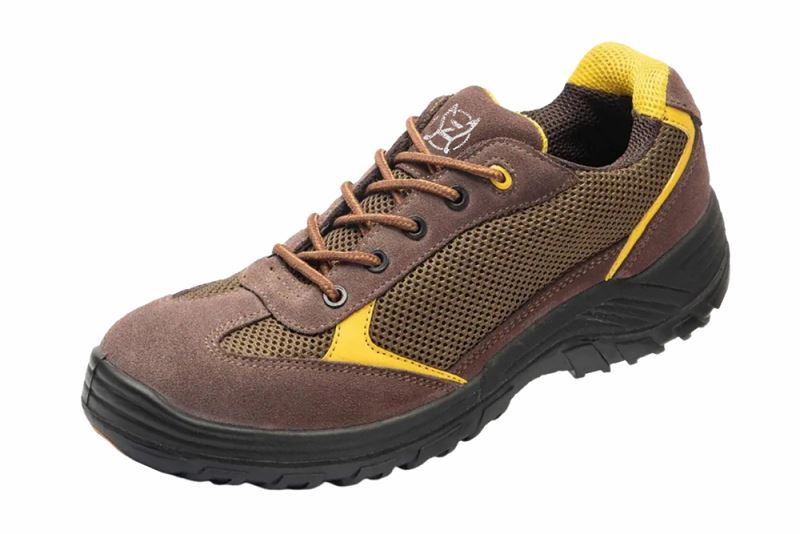
At our company, we offer a wide range of Anti Static Protective Shoes. Our shoes are made of high - quality conductive materials, which can effectively reduce the build - up of static electricity on the body. Whether you need shoes for high - risk environments or general applications, we have the right products for you.
Our Best Anti Static Safety Shoes are designed with safety and comfort in mind. They not only provide excellent anti - static performance but also meet various safety standards. Our shoes are suitable for a variety of industries, including electronics, chemicals, and manufacturing.
You can also check out our Anti - Static Shoes collection, which includes different styles and sizes to meet your specific needs.
Conclusion
In conclusion, while continuous grounding is ideal for anti - static shoes to ensure the most effective dissipation of static charge, it is not always necessary in all situations. The need for grounding depends on various factors, such as the environment, floor material, activity level, and type of shoes.
As a professional anti - static shoe supplier, we can provide you with the right products and solutions based on your specific requirements. If you have any questions about anti - static shoes or need advice on grounding, please feel free to contact us. We are always ready to help you choose the best anti - static shoes for your needs and ensure the safety of your work environment. Whether you are in a high - risk industry or a general office setting, our anti - static shoes can provide the protection you need. Contact us today to start a procurement discussion and find the perfect anti - static shoes for your team.
References
- "Static Electricity Handbook" by Electrostatic Discharge Association.
- "Safety Standards for Anti - Static Footwear" by International Electrotechnical Commission (IEC).
- "Practical Guide to Anti - Static Protection in Industrial Environments" by industry research reports.