

Do anti static boots need to be calibrated?
As a supplier of anti static boots, I often encounter questions from customers about the calibration of these specialized safety products. Anti static boots are designed to prevent the build - up and discharge of static electricity, which is crucial in many industrial environments where static electricity can cause serious hazards such as explosions, fires, and damage to sensitive electronic components.
First, let's understand the basic principle of anti static boots. These boots are typically made with materials that have a specific electrical resistance. The resistance is carefully engineered to allow static charges to dissipate safely to the ground without creating a sudden discharge. This controlled dissipation is essential for maintaining a safe working environment.
The question of whether anti static boots need to be calibrated is complex and depends on several factors. One of the main reasons calibration might be considered is the change in the electrical properties of the boot materials over time. Just like any other product, anti static boots are subject to wear and tear. Regular use, exposure to different chemicals, and environmental conditions can all affect the electrical resistance of the boots. For example, if the boots are frequently exposed to abrasive substances, the outer layer of the boot might be damaged, which could potentially alter its anti - static properties.
In industries where safety standards are extremely strict, such as the petrochemical and semiconductor industries, calibration of anti static boots is often a requirement. Regulatory bodies in these sectors mandate regular testing to ensure that the boots are functioning as intended. Calibration involves measuring the electrical resistance of the boots using specialized equipment. The measured values are then compared against the manufacturer's specifications to determine if the boots are still within the acceptable range.
However, in less critical environments, the need for calibration may not be as obvious. Smaller workshops or offices where the risk of static - related hazards is relatively low might not see an immediate need for calibration. But this doesn't mean that they can ignore the importance of anti static boots' performance. Even in these environments, a sudden static discharge can cause problems, such as disrupting electronic equipment or causing minor shocks to workers.
Another aspect to consider is the cost - benefit analysis of calibration. Calibration can be an expensive and time - consuming process. It requires specialized equipment, trained personnel, and a certain amount of downtime for the boots. For some companies, especially those with a large number of workers using anti static boots, the cost of regular calibration can be a significant burden. On the other hand, the cost of not calibrating and potentially facing a static - related incident could be much higher. A single explosion or damage to expensive electronic equipment could far outweigh the cost of calibration.
As a supplier of anti static boots, I always recommend that customers understand their specific needs and the risks associated with static electricity in their workplaces. For customers in high - risk industries, I strongly encourage regular calibration. I can provide guidance on how to find reliable calibration services and what to expect during the process.
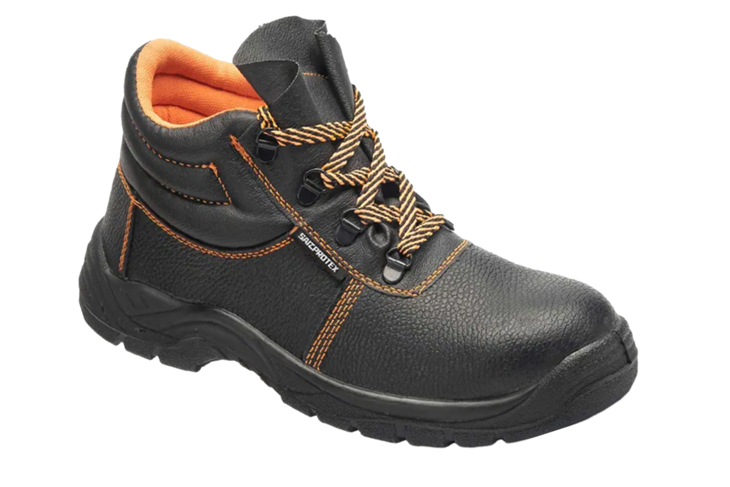
When it comes to the products we offer, our Anti - Static Shoes are designed with high - quality materials that are known for their stable anti - static properties. Our Anti Static Protective Footwear and Anti Static Protection Boots are also built to meet the highest industry standards. However, even with these high - quality products, we understand that calibration is an important part of ensuring long - term safety and performance.
We also offer some tips to our customers on how to maintain the anti - static properties of their boots without relying solely on calibration. Regular cleaning of the boots can help remove any contaminants that might affect the electrical resistance. Storing the boots in a proper environment, away from extreme temperatures and humidity, can also extend their lifespan and maintain their performance.

In conclusion, while the need for calibrating anti static boots depends on the specific industry and risk level, it is generally a good practice to consider calibration as a part of a comprehensive safety program. Whether you are in a high - risk or low - risk environment, ensuring the proper functioning of your anti static boots is essential for the safety of your workers and the protection of your equipment.
If you are interested in learning more about our anti static boots or have questions about calibration, we are here to help. We invite you to reach out to us for more information and to discuss your specific needs. We are committed to providing the best products and services to ensure your workplace is safe from static - related hazards.
References
- International Electrotechnical Commission (IEC). Standards related to anti - static protection in industrial environments.
- Occupational Safety and Health Administration (OSHA). Guidelines for personal protective equipment in workplaces with static electricity hazards.
- Industry reports on the performance and maintenance of anti static footwear.