

Can antistatic work shoes be used in explosive environments? This is a question that often arises in industries where safety is of utmost importance. As a supplier of antistatic work shoes, I have encountered this query numerous times from our clients. In this blog post, I will delve into the technical aspects, safety regulations, and practical considerations to provide a comprehensive answer.
Understanding Antistatic Work Shoes
Antistatic work shoes are designed to prevent the build - up of static electricity on the wearer's body. Static electricity can be generated through normal human activities such as walking, sitting, or moving objects. In industrial settings, this static charge can pose a significant risk, especially when there are flammable substances present.
Antistatic shoes achieve their function by having conductive materials in their soles and uppers. These materials allow the static charge to be safely dissipated to the ground, reducing the potential for electrostatic discharge (ESD). The resistance of antistatic shoes is typically in the range of 10^6 to 10^9 ohms, which is carefully calibrated to ensure effective static dissipation without causing electrical hazards.
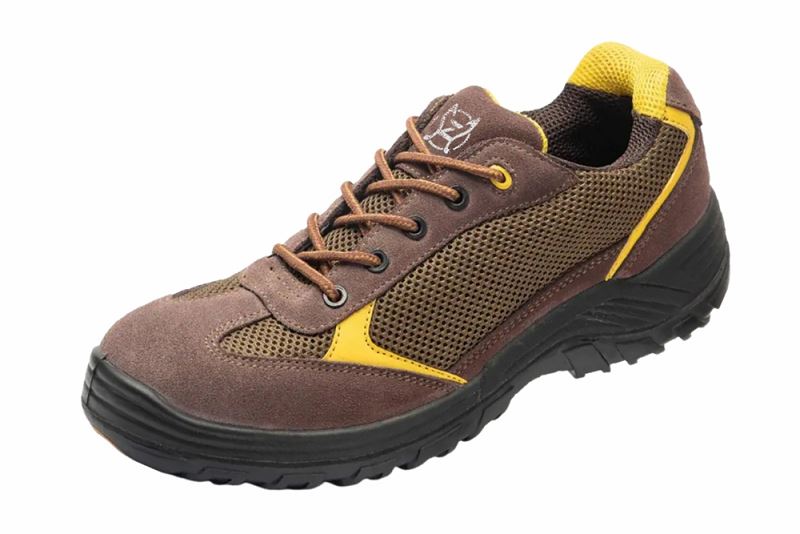
For example, our Antistatic Work Boots are crafted with high - quality conductive rubber soles and synthetic uppers that meet strict antistatic standards. They are designed to provide comfort and durability while effectively preventing static build - up.
Explosive Environments and Their Risks
Explosive environments are areas where there is a high probability of the presence of flammable gases, vapors, dusts, or fibers. These can be found in industries such as oil and gas, chemical manufacturing, mining, and food processing. In such environments, even a small electrostatic spark can ignite the flammable substances, leading to explosions or fires.
The risks in explosive environments are classified into different zones based on the likelihood and duration of the presence of flammable substances. For instance, Zone 0 is an area where an explosive gas atmosphere is present continuously or for long periods, while Zone 1 is an area where an explosive gas atmosphere is likely to occur in normal operation.
Can Antistatic Work Shoes Be Used in Explosive Environments?
The short answer is that it depends. While antistatic work shoes are effective in preventing static build - up in many industrial settings, they may not be sufficient in all explosive environments.
Advantages of Antistatic Work Shoes in Explosive Environments
- Static Dissipation: Antistatic shoes can help reduce the risk of electrostatic discharge, which is a major ignition source in explosive environments. By dissipating the static charge, they minimize the chance of a spark that could ignite flammable substances.
- Comfort and Usability: Antistatic work shoes are generally more comfortable and easier to wear for extended periods compared to some specialized explosion - proof footwear. This can improve worker compliance and productivity.
Limitations of Antistatic Work Shoes in Explosive Environments
- Insufficient Protection: In some high - risk explosive environments, antistatic shoes may not provide adequate protection. For example, in areas with a high concentration of flammable dusts or gases, even a small amount of static discharge that may be tolerated in a normal antistatic environment could be dangerous.
- Lack of Certification: Antistatic shoes are typically certified to meet general antistatic standards, but they may not have the specific certifications required for use in explosive environments. For example, in Europe, footwear for use in explosive atmospheres must comply with the ATEX directive.
Our Anti Static Protective Shoes are designed to offer a high level of antistatic protection, but we always recommend that customers consult with safety experts to determine their suitability for explosive environments.
Specialized Footwear for Explosive Environments
In addition to antistatic work shoes, there are specialized types of footwear designed specifically for explosive environments. These include:
- Conductive Shoes: Conductive shoes have a lower resistance than antistatic shoes, typically less than 10^6 ohms. They are designed to quickly and effectively dissipate static charge, making them suitable for some explosive environments.
- Explosion - Proof Shoes: These shoes are designed to prevent the generation of sparks even in the most hazardous explosive environments. They are often made with non - sparking materials such as aluminum bronze or beryllium copper.
However, these specialized shoes may have some drawbacks. They can be more expensive, less comfortable, and may require more maintenance compared to antistatic work shoes.
Safety Regulations and Standards
When considering the use of antistatic work shoes in explosive environments, it is crucial to comply with relevant safety regulations and standards. In the United States, the Occupational Safety and Health Administration (OSHA) has specific regulations regarding personal protective equipment (PPE) in hazardous environments. In Europe, the ATEX directive sets out the requirements for equipment and protective systems intended for use in explosive atmospheres.
These regulations ensure that the footwear used in explosive environments meets the necessary safety criteria. For example, they may specify the maximum allowable resistance of the shoes, the materials that can be used, and the testing procedures that must be followed.
Practical Considerations
In addition to technical and regulatory aspects, there are also practical considerations when deciding whether to use antistatic work shoes in explosive environments.
- Risk Assessment: Conduct a thorough risk assessment of the workplace to determine the level of risk and the appropriate type of footwear. This should take into account factors such as the type of flammable substances present, the frequency of their presence, and the nature of the work being performed.
- Training and Education: Provide proper training and education to workers on the importance of using the correct footwear and the potential risks associated with static electricity in explosive environments.
- Maintenance and Inspection: Regularly inspect and maintain the antistatic work shoes to ensure their effectiveness. This may include checking the soles for wear and tear, testing the resistance of the shoes, and replacing them when necessary.
Our Best Anti Static Safety Shoes are designed to be easy to maintain, but we also offer guidance on proper care and inspection to our customers.
Conclusion
In conclusion, antistatic work shoes can play a role in reducing the risk of static - related hazards in explosive environments, but they may not be suitable for all situations. It is essential to conduct a comprehensive risk assessment, comply with relevant safety regulations, and consider practical factors when deciding on the appropriate footwear.

As a supplier of antistatic work shoes, we are committed to providing our customers with high - quality products and expert advice. If you are unsure whether our antistatic work shoes are suitable for your explosive environment, please do not hesitate to contact us for a detailed consultation. We can help you make an informed decision based on your specific needs and requirements.
References
- Occupational Safety and Health Administration (OSHA). Personal Protective Equipment Standards.
- European Union. ATEX Directive 2014/34/EU on equipment and protective systems intended for use in explosive atmospheres.
- International Electrotechnical Commission (IEC). Standards for antistatic and conductive footwear.