

Are there any safety standards for antistatic work boots?

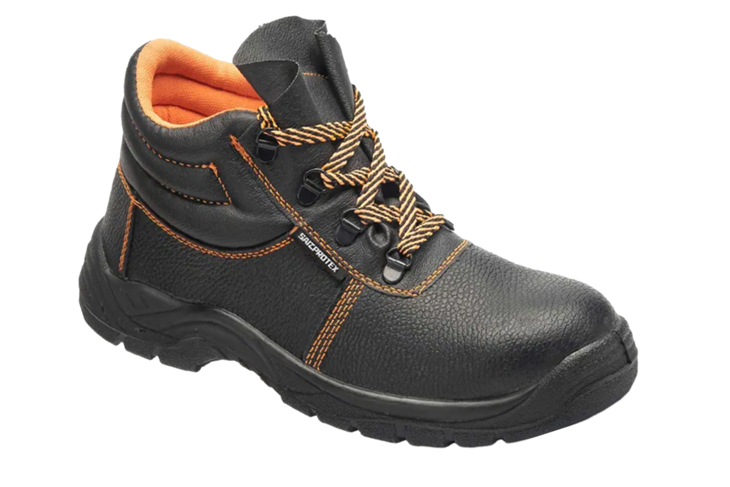
As a supplier of antistatic work boots, I often encounter questions from customers regarding the safety standards of these essential pieces of protective footwear. In this blog post, I will delve into the topic, exploring the significance of safety standards, the existing regulations, and how they impact the design and performance of antistatic work boots.
Antistatic work boots are specifically designed to prevent the build - up and discharge of static electricity. In many industrial settings, static electricity can pose significant risks. For example, in environments where flammable gases, vapors, or dust are present, a static electricity discharge can potentially ignite these substances, leading to explosions or fires. Additionally, in electronics manufacturing and handling, static electricity can damage sensitive electronic components.
The importance of safety standards for antistatic work boots cannot be overstated. These standards ensure that the boots provide reliable protection against static electricity, giving workers and employers peace of mind. They also promote consistency in the quality and performance of antistatic work boots across the industry.
One of the most well - known international standards for antistatic footwear is the ISO 20344:2011 standard. This standard provides a comprehensive set of requirements for safety, protective, and occupational footwear. For antistatic properties, it specifies that the electrical resistance of the footwear should be between 0.1 MΩ and 1000 MΩ under defined test conditions. This range ensures that the boots can effectively dissipate static electricity without creating a path for electrical shock.
In the United States, the Occupational Safety and Health Administration (OSHA) also has regulations related to workplace safety, including requirements for protective footwear. While OSHA does not have a specific standard for antistatic work boots, it does require employers to provide a safe working environment. This often means that employers must ensure that workers are equipped with appropriate antistatic footwear in environments where static electricity is a hazard.
European countries follow the EN ISO 20345:2011 standard for safety footwear. Similar to the ISO 20344 standard, it includes requirements for antistatic properties. The antistatic classification in this standard is denoted by the symbol “E” on the footwear. Boots that meet this standard have been tested to ensure that they can dissipate static electricity safely.
When it comes to the design and manufacturing of antistatic work boots, these safety standards play a crucial role. Boot manufacturers must use materials that have the appropriate electrical conductivity. For example, the soles of antistatic work boots are often made from conductive rubber or other materials that can effectively transfer static electricity from the body to the ground. The upper part of the boot may also be treated with antistatic agents to prevent static build - up on the surface.
As a supplier, we are committed to ensuring that all our Anti Static Protection Boots meet or exceed the relevant safety standards. We work closely with our manufacturing partners to source high - quality materials and use advanced manufacturing processes. Our boots undergo rigorous testing to verify their antistatic properties. We test the electrical resistance of each batch of boots to ensure that they fall within the acceptable range specified by the standards.
In addition to meeting the basic safety standards, our antistatic work boots also offer other features for enhanced comfort and functionality. They are designed with ergonomic insoles to reduce fatigue during long - term wear. The boots also have good traction on various surfaces, which is important for preventing slips and falls in the workplace.
We also offer a wide range of Anti - Static Shoes and Anti Static Boots to meet different customer needs. Whether you need boots for a heavy - duty industrial environment or shoes for a more lightweight and flexible option, we have the right product for you.
If you are in the market for high - quality antistatic work boots, it is essential to choose a supplier that adheres to strict safety standards. By doing so, you can ensure that your workers are protected from the risks associated with static electricity. Our team of experts is always available to answer any questions you may have about our products and the safety standards they meet.
We understand that every workplace has unique requirements, and we are committed to providing customized solutions. If you have specific needs, such as a particular style of boot or additional features, we can work with you to develop a product that meets your exact specifications.
In conclusion, there are indeed well - established safety standards for antistatic work boots. These standards are essential for protecting workers and ensuring the safety of industrial operations. As a reliable supplier of antistatic work boots, we are dedicated to providing products that meet the highest safety standards while also offering comfort and functionality.
If you are interested in learning more about our antistatic work boots or would like to discuss a potential purchase, please reach out to us. We look forward to the opportunity to work with you and provide you with the best antistatic footwear solutions for your workplace.
References
- ISO 20344:2011, Safety, protective and occupational footwear - General requirements
- EN ISO 20345:2011, Safety footwear
- Occupational Safety and Health Administration (OSHA) regulations on workplace safety