

Railway work is a demanding and high - risk occupation that exposes workers to various hazards on a daily basis. Among the essential safety equipment for railway workers, work boots play a crucial role. Anti - smash work boots, in particular, have gained significant attention in recent years. As a supplier of anti - smash work boots, I am often asked whether these boots are suitable for railway work. In this blog post, I will delve into the factors that determine the suitability of anti - smash work boots for railway work.
Understanding the Hazards in Railway Work
Before assessing the suitability of anti - smash work boots, it is important to understand the potential hazards in railway work. Railway workers are exposed to heavy machinery, moving trains, sharp objects, and electrical hazards. Heavy equipment such as cranes, locomotives, and railcars can accidentally drop or roll over objects, posing a significant risk of foot injuries. Moreover, workers may encounter sharp tools, nails, or broken metal parts while performing maintenance or construction tasks. Electrical hazards are also present, especially when working near power lines or electrical systems.
Features of Anti - Smash Work Boots
Anti - smash work boots are designed to protect the feet from impact and compression injuries. These boots typically feature a reinforced toe cap, usually made of steel, composite materials, or aluminum. The toe cap is engineered to withstand a certain amount of force without deforming, thus preventing the foot from being crushed by heavy objects.
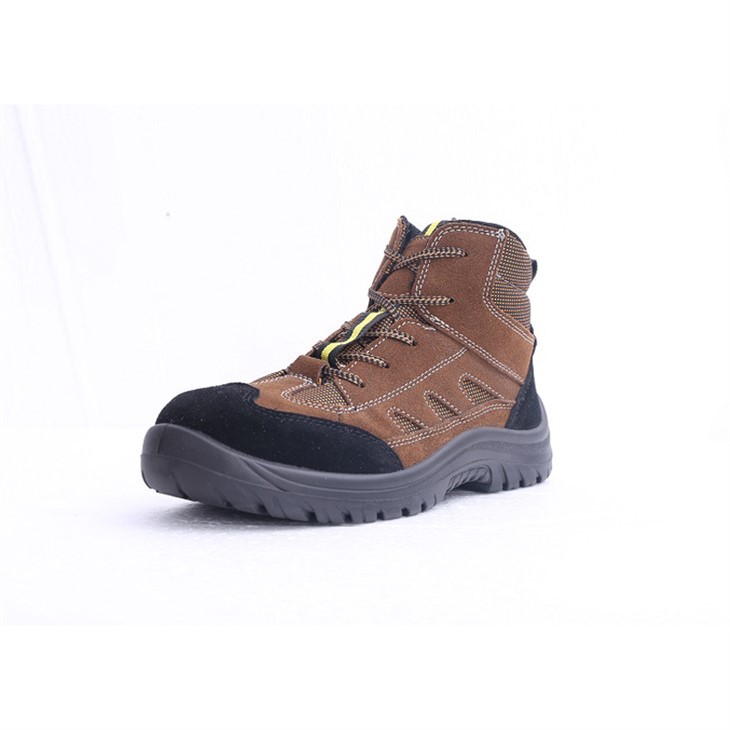
In addition to the anti - smash feature, many anti - smash work boots also come with other safety features. For example, some boots are equipped with anti - stab soles, which can protect the feet from puncture wounds caused by sharp objects. Anti - smash and anti - stab work shoes are a popular choice for workers in high - risk environments. These boots are made of durable materials such as cowhide, which provides excellent abrasion resistance and protection.
Another important feature is the shock absorption capability. Railway workers are constantly on their feet, walking on uneven surfaces and dealing with vibrations from moving trains and machinery. Anti Shock Boots are designed to reduce the impact on the feet and legs, minimizing fatigue and preventing long - term injuries such as joint pain and back problems.
Suitability for Railway Work
-
Protection against heavy objects: The anti - smash feature of these boots makes them highly suitable for railway work. Given the presence of heavy machinery and equipment in railway yards and construction sites, the risk of a heavy object falling on the feet is significant. The reinforced toe cap can provide a reliable barrier against such hazards, protecting the toes from serious injuries.
-
Resistance to sharp objects: Railway workers often come across sharp tools and debris during their work. Anti - smash work boots with anti - stab soles can prevent puncture wounds, which can be not only painful but also lead to infections. This additional layer of protection is essential in a railway work environment.
-
Comfort and durability: Railway work involves long hours of standing, walking, and climbing. Comfort is therefore a key factor in choosing work boots. Many anti - smash work boots are designed with ergonomic features such as padded insoles, breathable linings, and flexible outsoles. Breathable work safety boots - high Top are a great option as they provide both comfort and ankle support. The high - top design can protect the ankles from sprains and injuries, especially when working on uneven surfaces.
-
Electrical safety: Some anti - smash work boots are also designed to provide electrical insulation. This is important for railway workers who may come into contact with electrical systems. Electrical - resistant boots can prevent electric shocks, which can be life - threatening.

Limitations and Considerations
While anti - smash work boots offer many benefits for railway work, there are also some limitations and considerations. Firstly, the weight of the boots can be a concern. The reinforced toe cap and other safety features can make the boots heavier than regular work boots. This can increase fatigue, especially during long - shift work. Workers may need to gradually adjust to the weight of the boots to avoid excessive strain on their feet and legs.
Secondly, the cost of anti - smash work boots can be higher than that of regular work boots. However, it is important to consider the long - term benefits of investing in high - quality safety boots. The cost of preventing a serious foot injury far outweighs the initial investment in the boots.
Conclusion
In conclusion, anti - smash work boots are generally suitable for railway work. Their anti - smash, anti - stab, shock - absorbing, and electrical - resistant features provide comprehensive protection for railway workers. However, it is important to choose the right boots based on the specific needs and requirements of the job. Comfort, durability, and proper fit are also crucial factors to consider.
As a supplier of anti - smash work boots, I am committed to providing high - quality products that meet the safety standards of railway work. If you are a railway operator or a worker in the railway industry and are interested in purchasing anti - smash work boots, I encourage you to contact me for a detailed discussion. We can work together to find the best boots for your specific needs and ensure the safety and comfort of your workers.
References
- Occupational Safety and Health Administration (OSHA). (n.d.). Foot protection standards. Retrieved from OSHA official website.
- International Labour Organization (ILO). (n.d.). Safety in railway work. Retrieved from ILO official website.